Simple Ways to Use Herbs in Everyday Life
Some links in this post may be Amazon affiliate links. As an Amazon Associate, I may earn from qualifying purchases, at no extra cost to you. I only share simple, useful things that fit a cozy, rooted home.
There is something quietly grounding about herbs.
They do not ask much from us. A little sun. A little water. A small pot on the porch or a corner of the garden. And in return, they offer flavor, fragrance, comfort, and the false confidence that maybe we do, in fact, have our lives together.
At least until the mint tries to take over the entire property.
Herbs are one of the easiest ways to bring a little more intention into everyday life. You do not need a huge garden, a fancy apothecary cabinet, or a perfectly organized kitchen shelf. You can start with a few fresh herbs, a pair of scissors, and a willingness to use what you have.
Because honestly, sometimes simple living looks like clipping basil while dinner is already half-started and hoping nobody asks what the plan is.
This post may contain affiliate links. As an Amazon Associate, I may earn from qualifying purchases at no extra cost to you.
Why Herbs Belong in a Simple Home
Herbs have a way of making ordinary things feel cared for.
A handful of chopped parsley can brighten leftovers. A few basil leaves can turn tomatoes into something that feels like summer. Rosemary can make roasted potatoes taste like you tried harder than you actually did. Lavender can soften a room, a cup of tea, or even a bedtime routine.
That is the beauty of herbs. They are small, but they carry a lot of usefulness.
They can be used in cooking, drinks, homemade butters, simple syrups, teas, bath blends, linen sprays, and little everyday rituals that help a home feel warmer and more lived in.
And no, you do not have to become a full pioneer woman overnight. Nobody is asking you to churn butter by candlelight unless that is your thing, in which case, I support you and also want to know how your arms are doing.
A few helpful basics to keep around are small herb scissors, glass herb jars, small mason jars, and a simple herb drying rack if you want to preserve what you grow.
Basil: For Fresh, Garden-to-Kitchen Meals
Basil is one of the easiest herbs to love. It is bright, fresh, and perfect for garden-to-kitchen recipes.
Use basil in:
Tomato bruschetta
Pasta salads
Homemade pesto
Tomato and cucumber salads
Fresh sandwiches
Compound butter
Infused water or tea
One of the simplest ways to use basil is to tear it over sliced tomatoes with a little salt, pepper, olive oil, and vinegar. It tastes like summer and takes almost no effort, which is exactly the kind of kitchen magic I am here for.
Basil also has a way of making you feel fancy without actually requiring fancy behavior. You can be standing barefoot in the kitchen, eating over the sink, and suddenly fresh basil makes it feel like a rustic garden lunch. We love an herb with delusions of grandeur.
If you use basil often, a small countertop herb keeper can help keep fresh herbs from turning into sad little refrigerator compost by Tuesday.
Rosemary: For Cozy, Savory Comfort
Rosemary is strong, woodsy, and cozy. A little goes a long way, which is polite of it because some herbs are out here acting like they need to be the whole personality.
Use rosemary with:
Roasted potatoes
Chicken
Homemade bread
Focaccia
Soups and stews
Olive oil infusions
Herbal salt blends
Try mixing chopped rosemary with softened butter, garlic, and a pinch of salt. Spread it on warm bread, roasted vegetables, or a baked potato. Simple, but so good.
Rosemary is one of those herbs that makes food taste like you had a plan. Even if the plan was “throw potatoes in the oven and hope for the best.”
A small mortar and pestle is helpful for crushing dried rosemary into a finer texture, especially if you do not want your roasted potatoes giving pine branch. A pretty olive oil dispenser also makes homemade rosemary oil feel a little more special without making the kitchen fussy.
Thyme: For Everyday Cooking
Thyme is one of those herbs that quietly makes food better without demanding attention. It works beautifully in comfort meals and slow-simmered recipes.
Use thyme in:
Chicken dishes
Soups
Beans
Roasted vegetables
Pot pies
Gravy
Stews
A small pinch of thyme can make a weeknight soup feel like it simmered longer than it did. And some days, that kind of tiny kitchen shortcut deserves an award.
Thyme is also one of those herbs that sounds calm and reasonable, like it would never start drama. It just shows up, improves the meal, and minds its business. Honestly, we could all learn something from thyme.
For dried herbs like thyme, I like using small spice jars with labels so everything is easy to see and actually gets used.
Dill: For Fresh and Tangy Recipes
Dill is fresh, bright, and especially good in anything creamy or cucumber-based.
Use dill in:
Cucumber salad
Homemade ranch dressing
Potato salad
Egg salad
Chicken salad
Pickles
Yogurt or sour cream dips
If you have fresh cucumbers, dill, vinegar, salt, and a little onion, you already have the beginning of a beautiful summer side dish.
Dill is the herb that makes people say, “What did you put in this?” And you get to say, very casually, “Oh, just a little fresh dill,” like you are not internally thrilled that somebody noticed.
A small glass mixing bowl set - or my favorite, a mason jar and lid - is perfect for making quick dill dressings, ranch, or cucumber salad without making a big kitchen production out of it.
Parsley: For Brightness and Balance
Parsley gets overlooked, but it is one of the most useful herbs in the kitchen. It adds freshness to heavier meals and helps brighten simple dishes.
Use parsley in:
Pasta
Salads
Soups
Roasted vegetables
Homemade dressings
Garlic butter
Chicken and fish dishes
Flat-leaf parsley is especially nice for cooking because it has a stronger flavor than curly parsley. It is simple, practical, and always useful to have around.
Parsley is not flashy. It is not trying to be the main character. It is the dependable friend who shows up with napkins, helps clean the kitchen, and somehow makes everything better.
If you chop a lot of parsley, a good wooden cutting board and sharp kitchen knife make the whole thing easier. Nothing fancy, just tools that make real-life cooking feel less annoying.
Mint: For Drinks, Desserts, and Freshness
Mint is easy to grow.
Sometimes too easy.
Plant it in a container unless you want it to take over your yard like it paid the mortgage and signed the deed.
Use mint in:
Iced tea
Lemonade
Fruit salads
Herbal water
Chocolate desserts
Simple syrups
Yogurt bowls
A few mint leaves in a glass of iced tea or lemon water can make an ordinary drink feel special. It is a small thing, but small things are often what make a home feel tended.
Mint is also perfect for those moments when you want a drink to feel intentional, but you are absolutely not making anything complicated. Add mint. Suddenly it is not just water. It is a garden beverage. Very official.
For mint drinks, I love the idea of using a glass iced tea pitcher, tea infuser pitcher, or mason jar drinking glasses. They are practical, pretty, and easy to use all summer long.
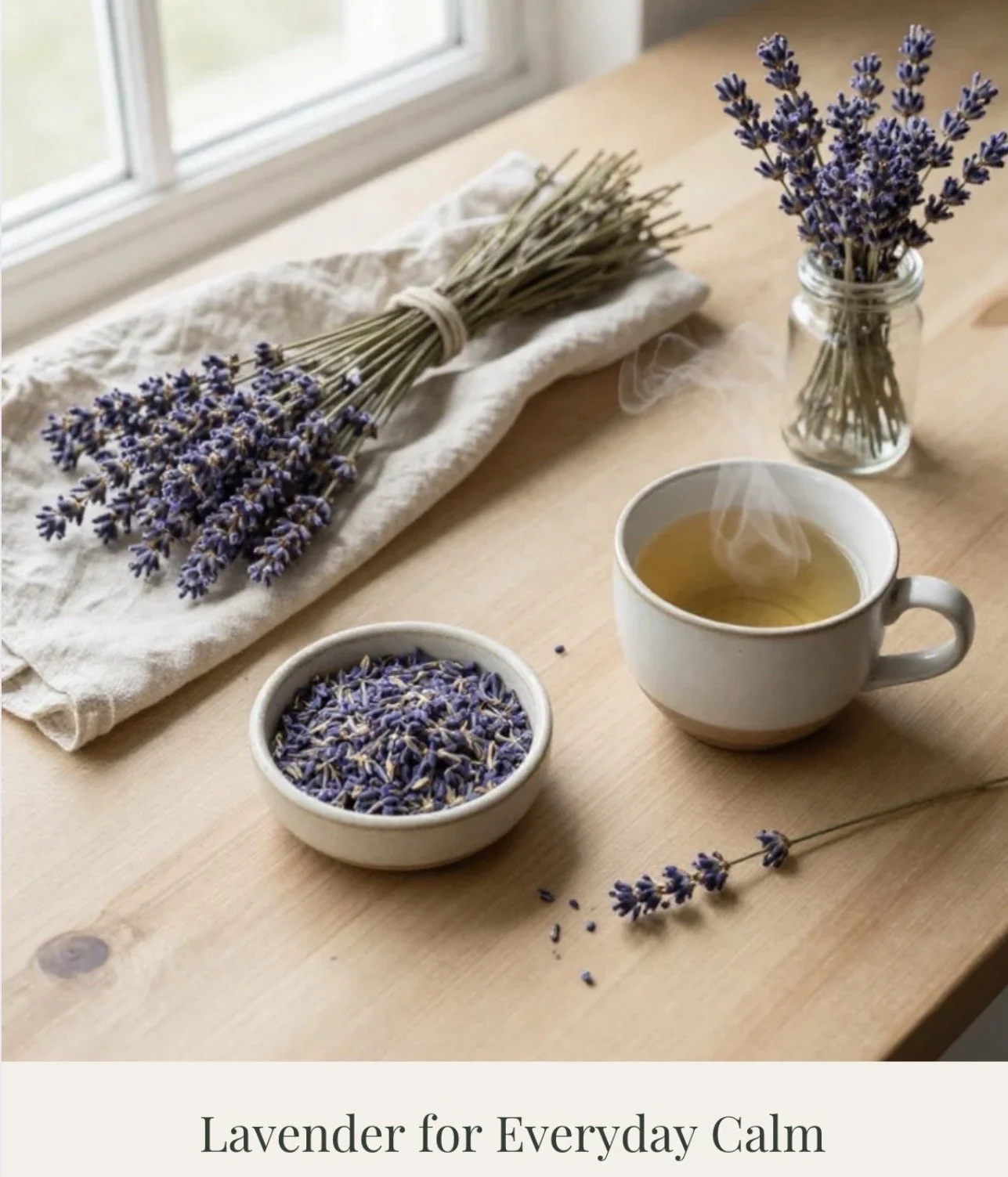
Lavender: For Calm, Comfort, and Soft Little Rituals
Lavender is one of the most comforting herbs to keep around. It has a soft floral scent and works beautifully in simple home routines.
Use culinary lavender in:
Herbal tea blends
Lavender lemonade
Honey lavender syrup
Shortbread cookies
Sugar scrubs
Bath salts
Linen sprays
Sachets for drawers or closets
The important thing is to use culinary lavender if you are adding it to food or drinks. Lavender is strong, so start small. Too much can make things taste soapy, and nobody wants their cookie giving “bubble bath.”
Lavender is one of those herbs that makes people think you are relaxed and peaceful, even if five minutes ago you were standing in the kitchen wondering why everyone needs dinner every single night.
A simple lavender tea can be made by steeping a small pinch of dried culinary lavender with lemon balm, chamomile, or mint. Add honey if you like a little sweetness.
For lavender recipes and simple home routines, a few helpful items are culinary lavender, loose leaf tea infuser, glass tea kettle, small muslin sachet bags, and glass spray bottles for linen spray.
Lavender also makes a lovely evening ritual. A small sachet near your pillow, a warm bath with lavender-scented bath salts, or a lavender linen spray can help signal that the day is winding down.
It does not have to be fancy. Sometimes it is just one small scent that tells your nervous system, “We are done for the day, friend.”
Before Summer Ends: Herbes de Provence
Before summer’s end, I will bring you a simple way to make your own Herbes de Provence at home — because apparently once you grow more than three herbs, you are legally required to start pretending you live in the French countryside.
No passport required. Just herbs, a little jar, and the willingness to feel mildly fancy while seasoning chicken.
Herbes de Provence usually includes a mix of dried herbs like thyme, rosemary, basil, oregano, marjoram, and sometimes lavender. It is beautiful on roasted chicken, vegetables, potatoes, bread, and honestly anything that needs a little “I meant to do that” energy.
We will get to that soon. For now, just know that your herb garden may be humble, but it has range.
Simple Herb Ideas to Try This Week
If you want to start using herbs more often, begin with what feels easy.
Try one of these:
Add basil to tomatoes and toast.
Stir dill into sour cream or Greek yogurt for a quick dip.
Mix rosemary into softened butter.
Add mint to iced tea.
Sprinkle parsley over leftovers.
Make a small jar of herbal salt.
Steep culinary lavender with chamomile or lemon balm for tea.
Add thyme to soup or roasted vegetables.
You do not need to use every herb at once. Pick one and let it become familiar.
That is how simple living works best anyway. Not a complete overhaul. Not a giant plan. Just one small thing used well.
And if all you do today is water the herbs and remember they exist, that counts. We are not running a lifestyle magazine out here. We are just trying to make dinner taste good and keep the basil alive.
A Simple Herbal Salt Blend
This is an easy way to preserve fresh herbs and make everyday meals taste better.
Ingredients
1 cup coarse salt
2 tablespoons chopped rosemary
2 tablespoons chopped thyme
2 tablespoons chopped parsley
1 tablespoon chopped basil
Optional: lemon zest
Directions
Spread the herbs out on a towel and let them dry slightly so they are not too wet. Mix them with the salt and lemon zest if using. Store in a clean jar.
Use on roasted vegetables, chicken, potatoes, soups, or homemade bread.
This is also the kind of little homemade jar that makes you feel wildly productive. You may still have laundry in the dryer from two days ago, but you made herb salt, so honestly, balance.
For this recipe, you may want coarse sea salt, small glass jars, and blank pantry labels if you like keeping homemade blends pretty and easy to find.
A Simple Lavender Honey Tea
This gentle tea is lovely in the evening or anytime you want something warm and calming.
Ingredients
1 cup hot water
1 small pinch dried culinary lavender
1 teaspoon honey
Optional: lemon slice
Optional: chamomile, lemon balm, or mint
Directions
Steep the lavender and any other herbs in hot water for 5 minutes. Strain, then stir in honey and add lemon if desired.
Start with a small amount of lavender. You can always add more next time.
A loose leaf tea infuser, culinary lavender, and a pretty honey jar make this simple little ritual easy to keep on repeat.
This is not a magic cure for a long day, but it is a soft place to land. And some evenings, that is enough.
Final Thoughts
Herbs are one of the simplest ways to make everyday life feel more rooted.
They remind us that care does not have to be complicated. It can look like basil on tomatoes, rosemary on potatoes, mint in a glass of tea, or lavender tucked into a quiet evening routine.
A softer home is often built from small things.
A plant watered.
A meal seasoned.
A cup of tea steeped.
A little fragrance in the air.
A reminder that simple is still enough.
And if one of the herbs dies along the way, well, bless it. We thank it for its service and try again.
